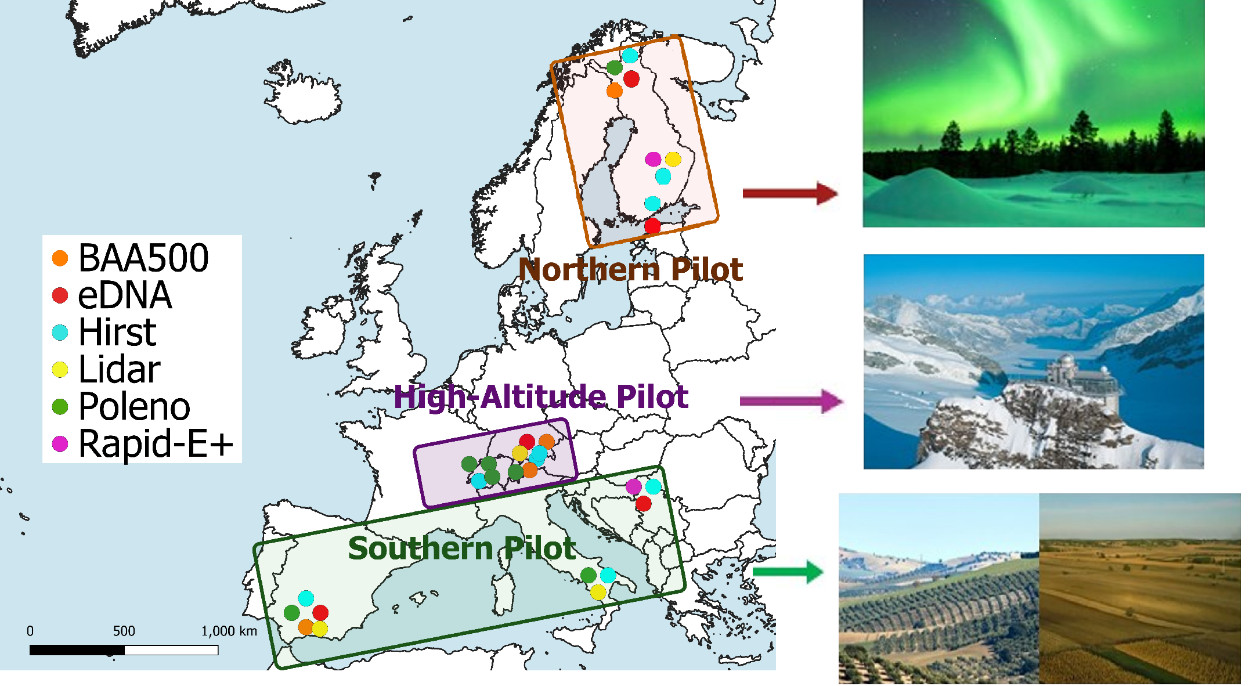
SYLVA demonstration pilots evaluate monitoring technologies under diverse environmental stress conditions across Europe, including cold and humid northern regions, high-altitude alpine environments, and hot, dust-influenced southern regions.
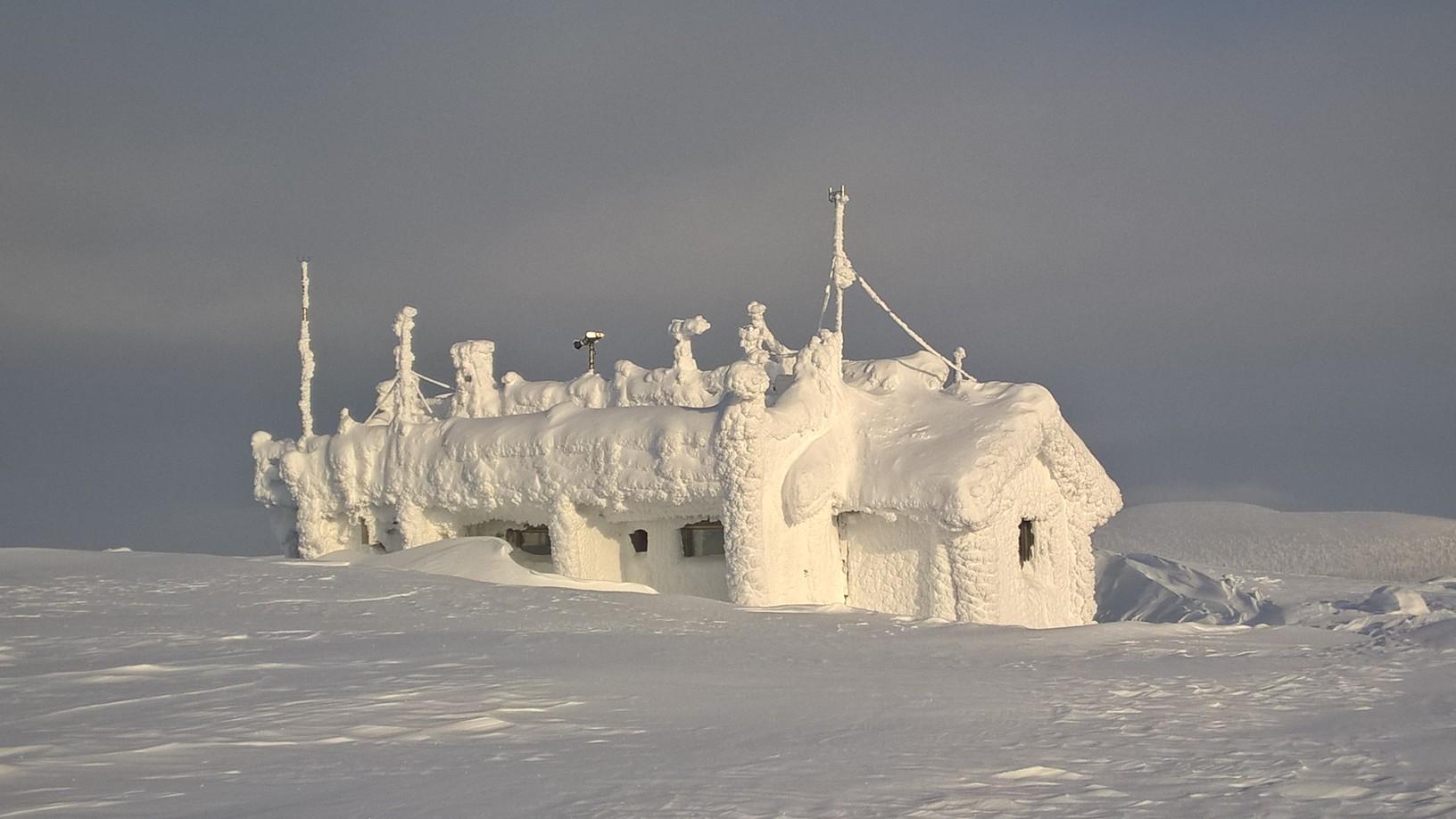
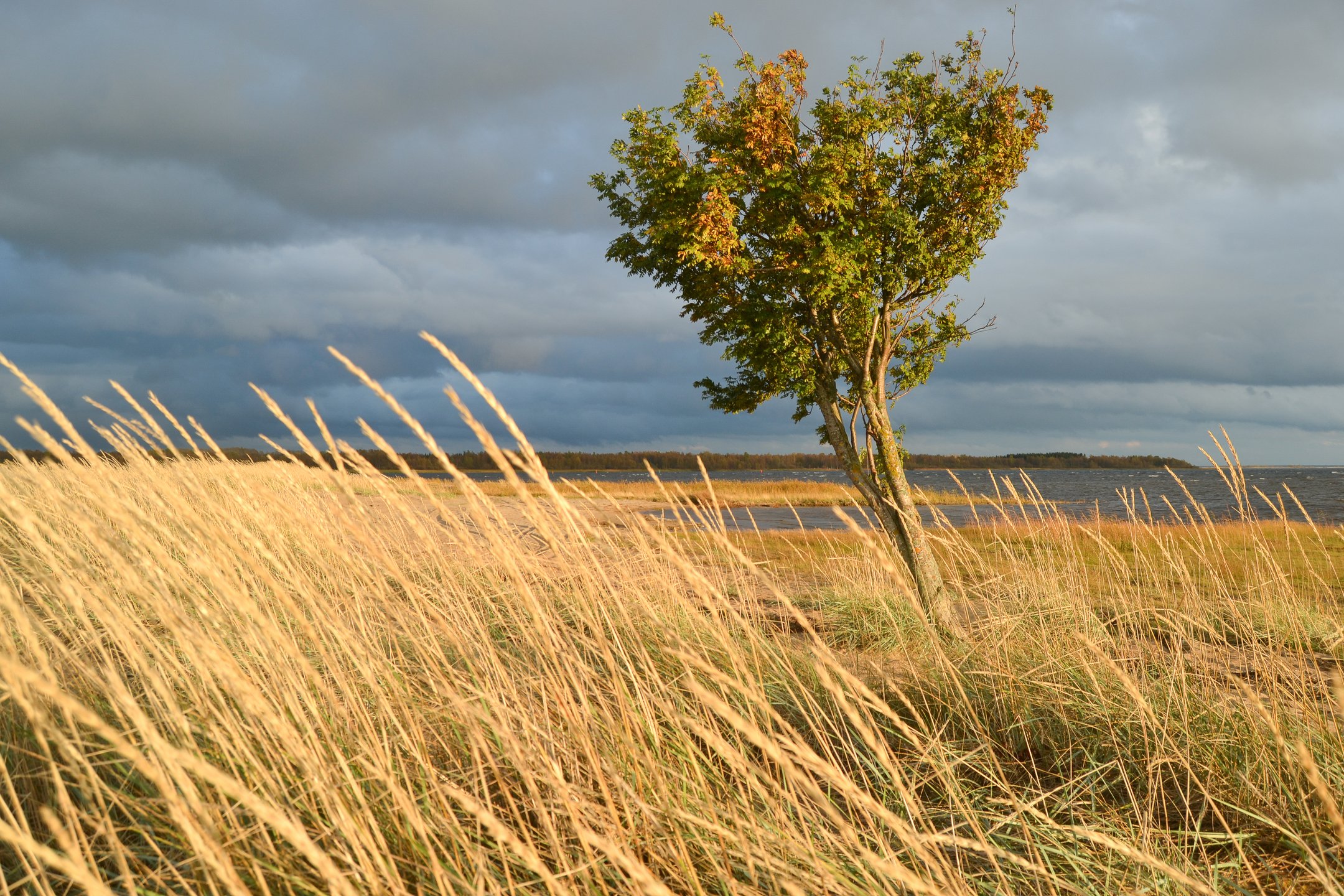
Pilot sites in Pallas, Kuopio, and Helsinki expose sensing technologies to cold, humid, and frequently supersaturated environments where ice, moisture, and strong winds can significantly affect airborne particle behaviour and measurement performance.
Environmental Conditions
Sub-zero temperatures
High humidity and supersaturation
Strong winds and rapidly changing weather
Key Airborne Particles
Bacteria and fungal spores
Low seasonal pollen
Sea salt, airborne ice and mist
Measurement Challenges
Freezing and condensation
Icing of optical/sampling components
Low pollen concentrations
Research Focus
Enhance resistance to ice and moisture
Improve low-concentration detection
Support long-term autonomous operation
High-Altitude Regions
Extreme and rapidly changing atmospheric conditions
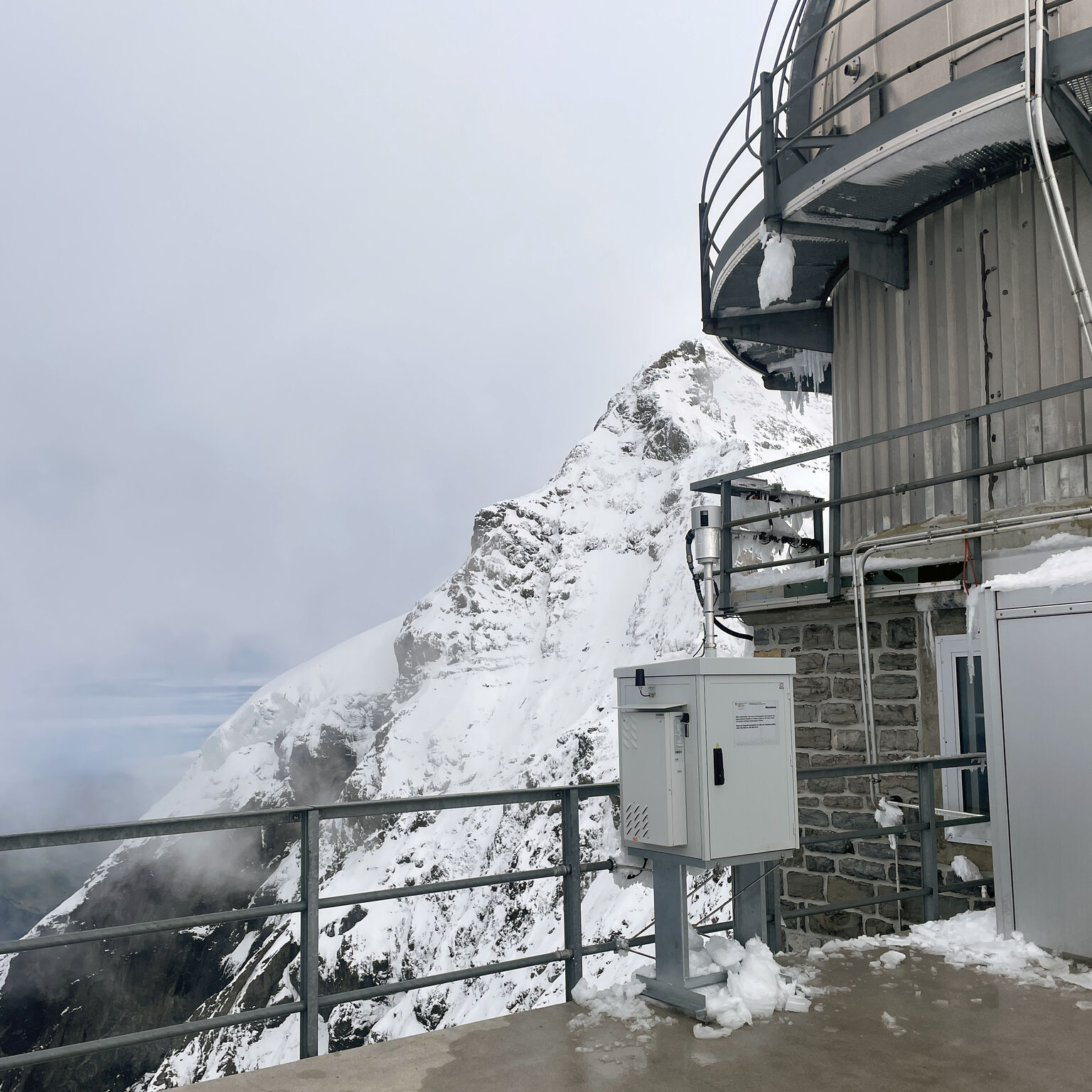
Pilot sites at Jungfraujoch, Schneefernerhaus, and associated alpine networks expose sensing technologies to harsh mountain environments where low pressure, icing, and intense weather variability strongly influence particles and measurement performance.
Environmental Conditions
Low atmospheric pressure
Strong and turbulent winds
Intense radiation, icing, in-cloud events
Key Airborne Particles
Forest pollen: Betula and Alnus
Cloud droplets and mist particles
Ice crystals and mixed-phase aerosols
Measurement Challenges
Rapid shifts in temperature/humidity
Stress on measurement systems
Cloud droplets complicate classification
Research Focus
Stable operation at low pressure
Reliable in-cloud and icing performance
Long-term remote alpine monitoring
Southern Europe
Hot, dry, and dust-influenced environments
Pilot sites in Córdoba, Potenza, and Novi Sad expose monitoring technologies to environments shaped by intense heat, prolonged drought, Saharan dust transport, and elevated urban and regional air pollution.